Work/TikTok/TikTok Shop
Case study · 2023—2024 · TikTok

Launching the most successful social commerce platform on the planet

We brought TikTok Shop to the US and hit $1B+ GMV in the first year. Then the business wanted 8 new global markets by mid-2024 — with very different legal landscapes, consumer expectations, and design constraints. This is the story of owning the chaos and finding a solution.

RoleSr. Content Design Manager
Team3 → 12 content designers
Timeline10 months
Outcome$1B+ GMV · 9 markets · 1 year
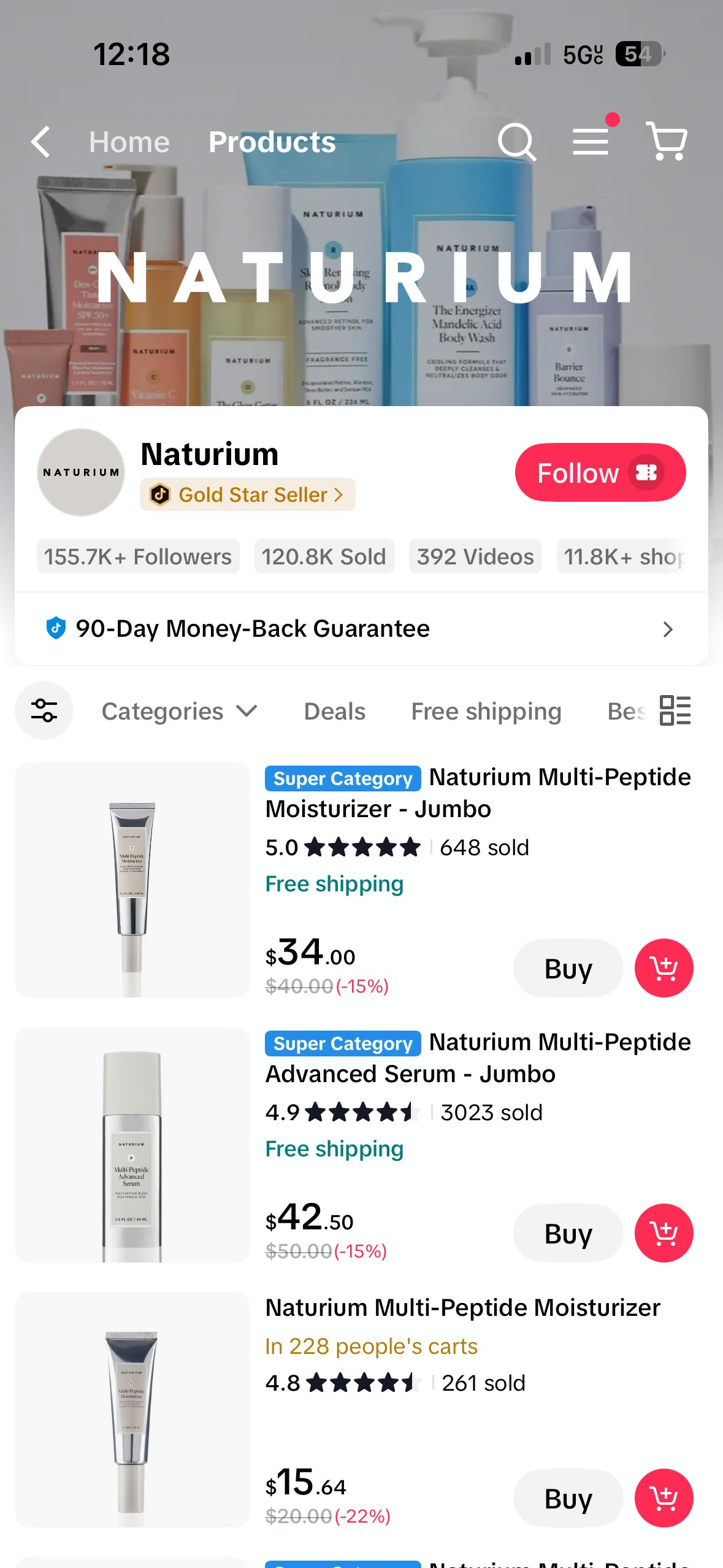
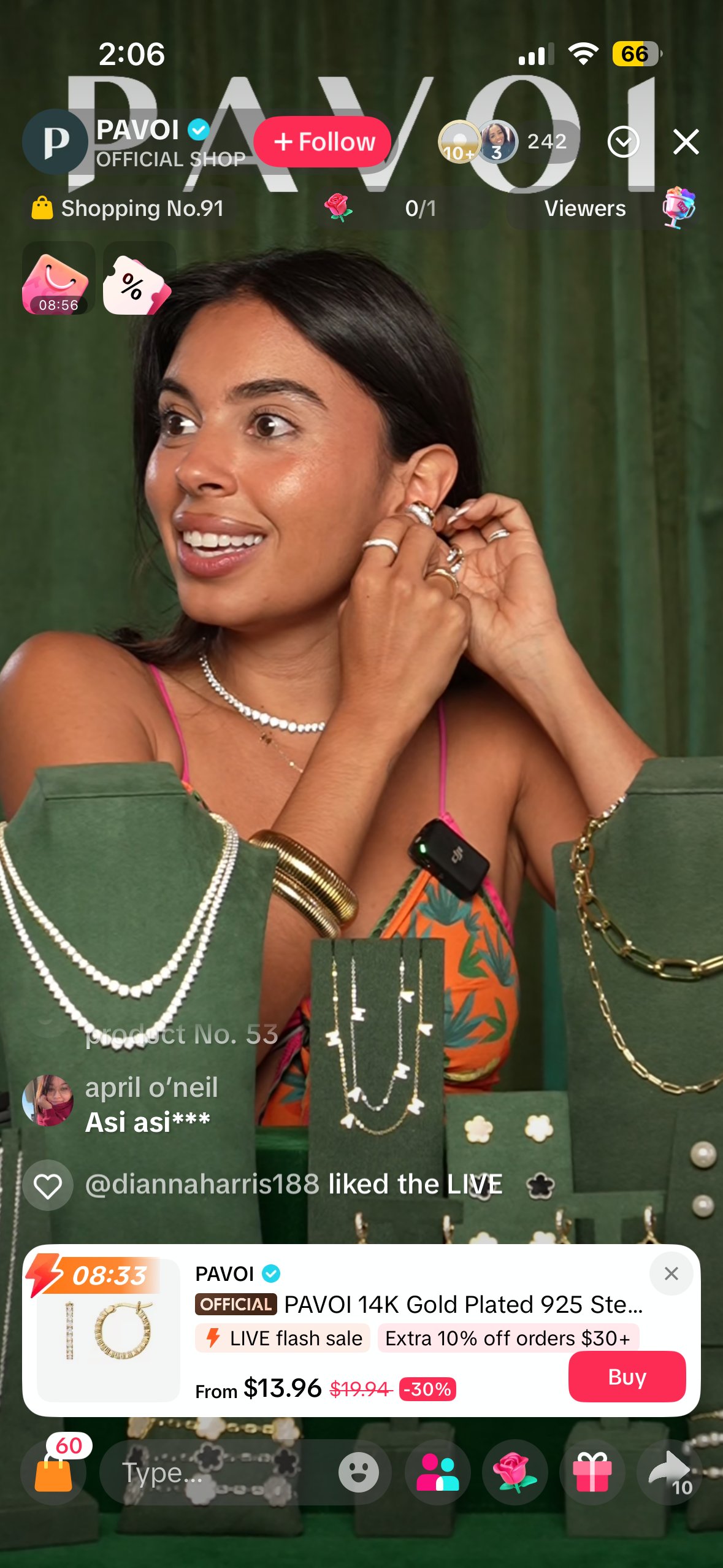
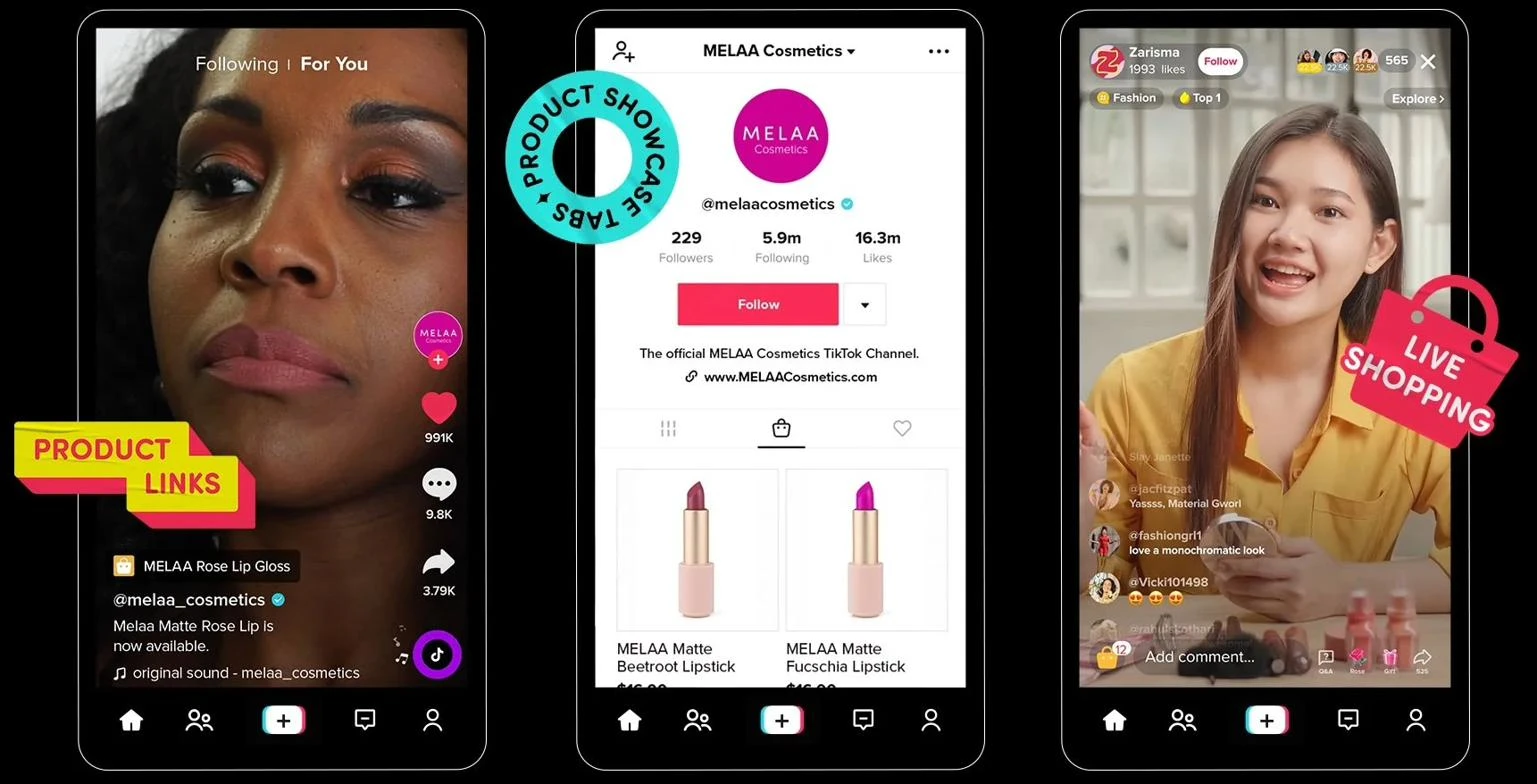
TikTok Shop — Product Links, Product Showcase Tabs, and LIVE Shopping
Three surfaces: shoppable video, store page, and LIVE shopping ✦ 2023
01 / The ask

Make shopping feel native to a video-first app

TikTok had the audience and the desire. What it didn't have was a way to go from a video you love to a thing you buy without leaving the app.

The existing pattern — open link, leave app, third-party checkout — was pushing a ton of revenue off the platform. We needed an experience that kept consumers on platform and felt like TikTok, not like a redirect.

The brief was basically: "make commerce feel like it belongs here." A design problem dressed up as a product strategy question.
02 / My role

Setting the design standard across the seller & creator experience

I led content design for the seller and creator experience across TikTok Shop. TikTok Shop is a 3-sided marketplace: sellers create stores, creators partner with sellers to earn commissions, and consumers buy. My job was making sure creators and sellers could make money from the platform and connect directly to consumers.

We were a global content design team, meaning all work flowed through us. In practice that meant I was shaping how commerce sounded and read inside TikTok — from product tiles to checkout flows to seller onboarding — while simultaneously growing the team from 5 to 27 and building the case for 2 additional CD managers globally.

TikTok Shop also functions as a startup within TikTok. The Shop team is separate from the core TikTok app team, with its own leadership, which meant a lot of speed, a lot of ambiguity, and very little research to lean on.

03 / The work

Three surfaces, built in parallel

The system had to land all at once or none of it worked. We ran three tracks simultaneously:

Shoppable video
TikTok Shop store page
LIVE shopping on TikTok Shop

Shoppable video — a product tile designed to live alongside the creator and consumer experience providing an entry into the shopping experience.

TikTok Shop store — a discovery surface available to sellers and creators to showcase products and offer deals.

Live shopping — adapted from TikTok's existing format in Southeast Asia for Western markets. Seller on camera, products pinned to chat, one-tap buy.

04 / Going global

8 new markets by July. No pressure.

TikTok Shop launched in the US in October 2023 and quickly showed impressive numbers: $1B+ GMV, $18M daily GMV, and 50B+ views across shoppable content. Then in January 2024, the business decided it wanted to launch in 8 new markets by July.

$1B+

US GMV

In months since launch.

$18M

Daily GMV in the US

50B+

Views

Across shoppable content.

The new markets spanned three regions, each with its own challenges. Europe (Ireland, Spain, France, Germany, Italy) had very strict consumer protection laws, zero tolerance for dark patterns, and strict privacy requirements. The Middle East (UAE, Saudi Arabia) required right-to-left design and the UAE had its own new consumer protection laws. Mexico had consumer protection laws that differed from the US in important ways.

All of this was done with very little research. TikTok's operating approach was: speed is more important than quality, ship first and refine later, act rather than overly debate. That culture drove results — but it also meant the team was constantly navigating ambiguity.

The TikTok approach: speed over quality, ship first, refine later, act don't debate. It worked — and it made everything harder.
05 / Preparing for battle

Setting the team up without burning them out

The question that kept me up at night: how do I ensure my team delivers all this work without burning out in the process? I landed on five principles that guided everything:

Be direct and clear about expectations. No ambiguity about what was coming or what was expected. The scope was enormous and the team deserved to know that upfront.

Lead with trust. Create clear lead roles, ensure every area had a point of contact, and build a process all content designers could refer to independently.

Have a together mindset. Divide and conquer was the only option. I took on stakeholder alignment — aligning with legal and policy on consumer protection, partnering with design and PM leads on key feature improvements — so the team could focus on executing.

Own the shortfalls. When things broke down (and they did), I absorbed the blame and found solutions rather than letting frustration flow downhill.

Know when to jump altitudes. Sometimes I needed to be in the weeds reviewing copy. Other times I needed to be in the room with leadership getting a final decision. Reading the moment was everything.

06 / The hardest call

When "earn" became a legal minefield

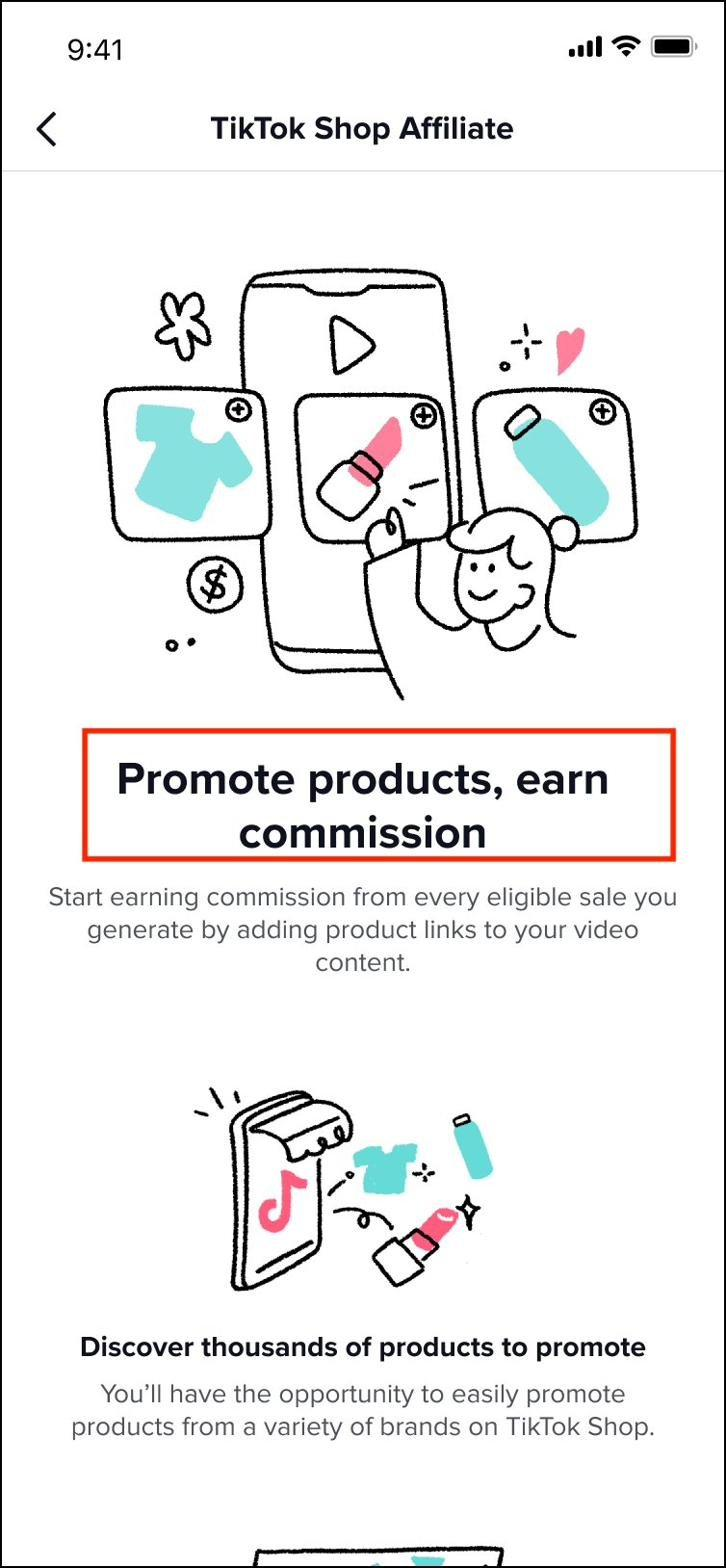
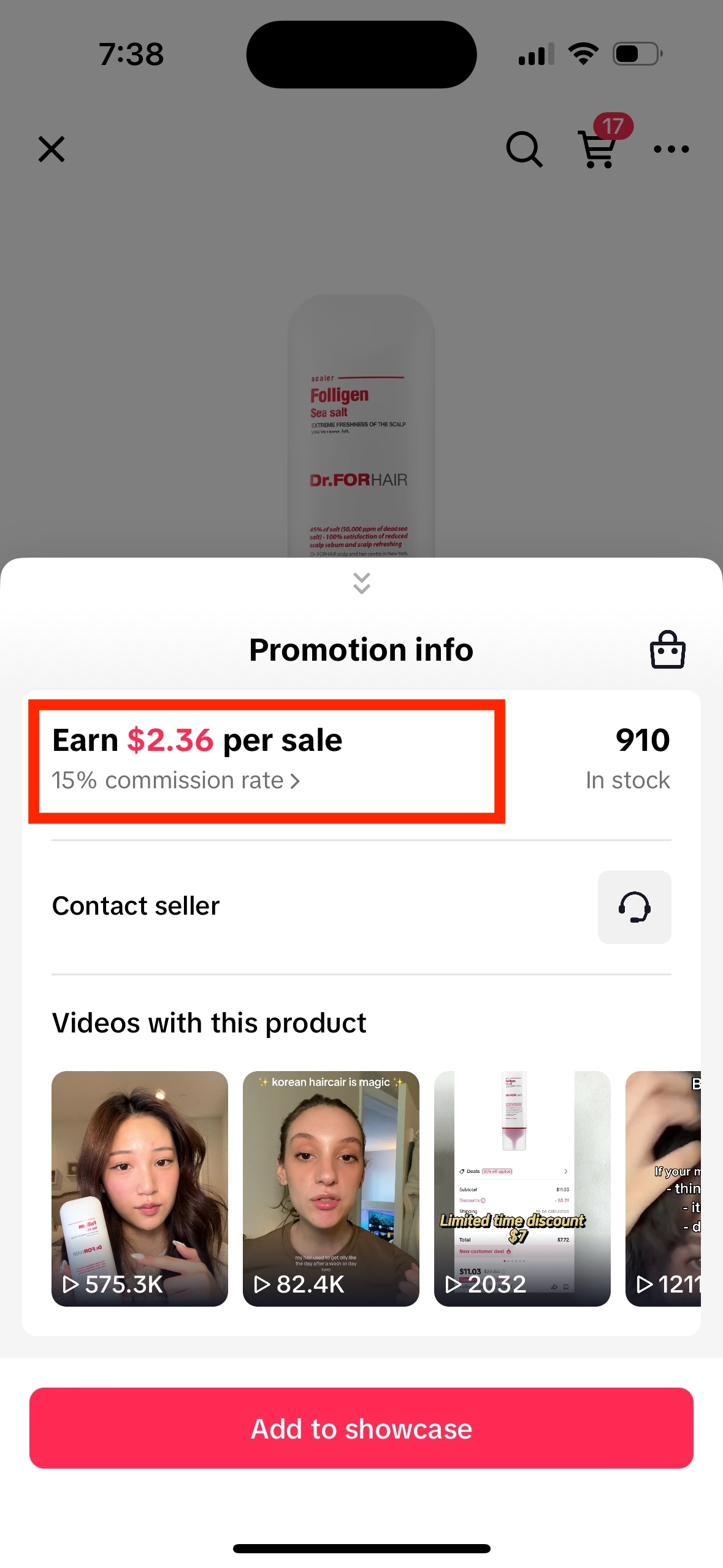
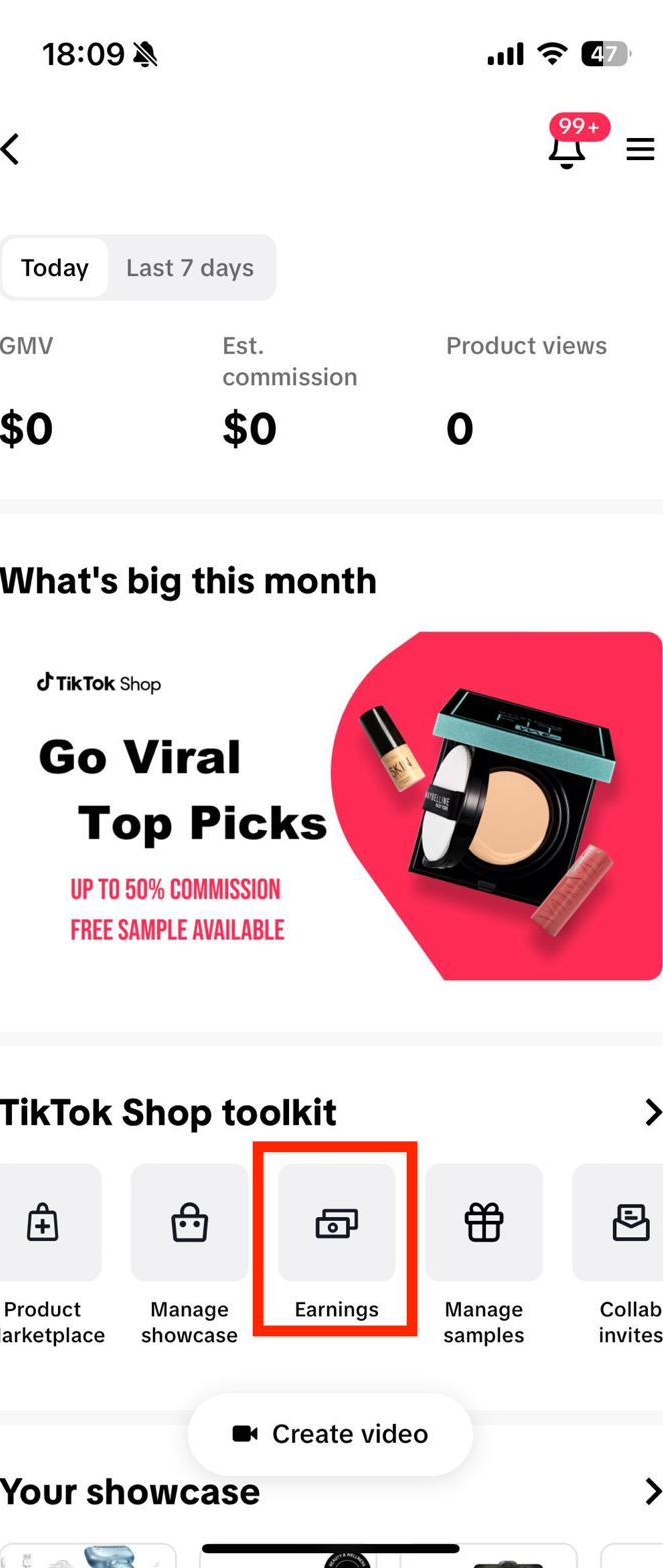
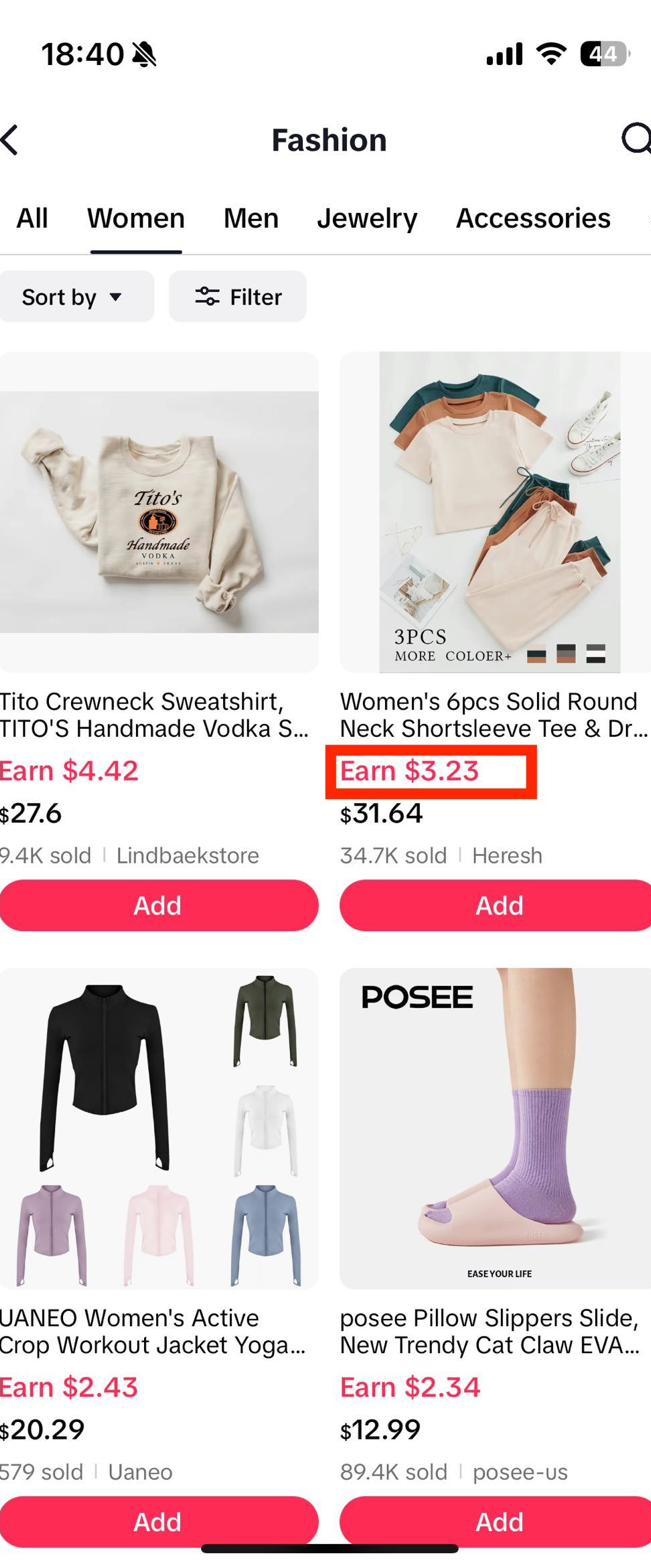
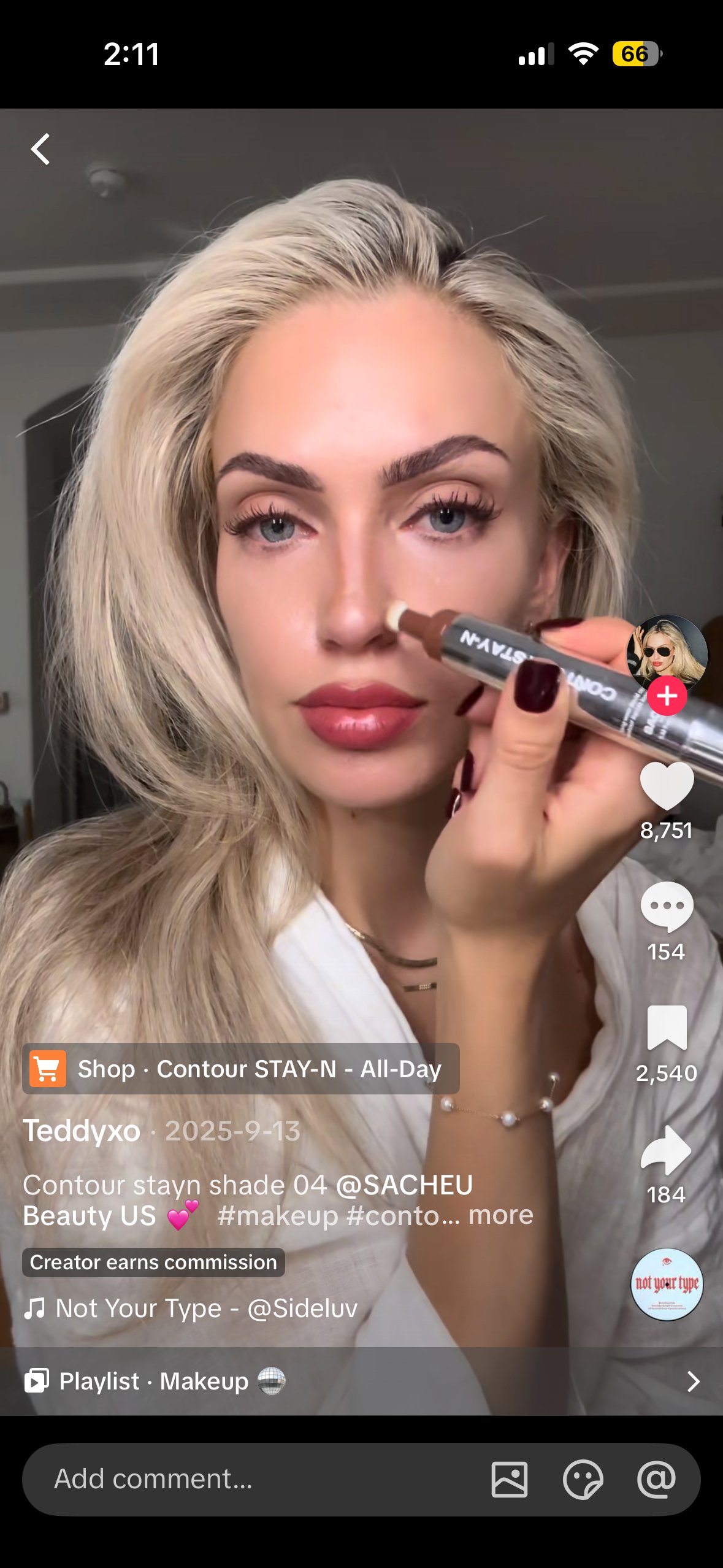
Earning commission is a key value prop for the entire creator experience. Creators who post shoppable content earn commissions from all sales. The word "earn" appeared everywhere — in onboarding, in the earnings dashboard, in product cards, in the Shop tab.

Affiliate onboarding — Promote products, earn commission
Product detail — Earn $2.36 per sale
Creator dashboard with Earnings in the toolkit
Product marketplace — Earn on every product card

Then some EU lawyers flagged it as high risk. Their concern: creators might assume they were an employee of TikTok if they received "earnings" from the company. The legal guidance was to remove "earn" everywhere and change it to "get."

The team had concerns with this. The concept of earnings existed prominently throughout the product — it wasn't as simple as swapping out a word. And depending on which lawyer you heard from, it was either flagged as high risk or medium risk. Various PMs were telling content design to change "earn" everywhere, while other lawyers disagreed with the risk assessment entirely.

Getting out of the swirl

I created a structured process for the team to follow whenever conflicting feedback threatened to stall progress:

Write the problem down. Get it out of Slack threads and into a document that everyone can reference.

Highlight the legal concerns and conflicting feedback. Lay out exactly who said what, and where the disagreement sits.

Collect visual examples. Show the actual product screens where the issue lives — in this case, every place "Earn" appeared across the creator experience.

Make a recommendation. Don't just surface the problem. Bring a point of view on what design believes the right call is.

Bring it to CD leads and/or me. If the team couldn't resolve it, I would escalate to leadership for a decision.

For the "Earnings" issue specifically, our doc included clear recommendations from content design about earnings being an important offering. I sent this to legal, policy, and leadership, and prepared to attend the new market launch meetings with key stakeholders.

I got top leadership to make a decision by explaining how difficult the conflicting feedback was and what the implications were. I walked them through the concerns and our recommendations and got an immediate decision. Leadership ultimately sided with content design on most decisions. I documented all the key decisions and communicated them back to product, legal, policy, and design.
07 / Outcomes

How it performed

TikTok Shop quickly transformed social commerce. While Instagram sunsetted its in-app shopping experience, TikTok Shop proved its model almost instantly. In 2024, not only did we launch the shopping experience successfully in the US market, we expanded to 8 global markets within months.

To date, it's the most successful social commerce platform on the planet — US sales alone are projected to top $20 billion in 2026.

Press
Next case study
Live Artist Rooms
↑ Back to all work
Amanda Lasnik · amandalasnik.com © 2026